Why Use a Backpack Sprayer for Lawn Care
You're aiming for that perfect green carpet, but applying fertilizers, herbicides, or pesticides can feel like a chore. If you've ever found yourself frustrated with tiny handheld sprayers or wrestling with cumbersome attachments, you're not alone. Understanding why use a backpack sprayer for lawn care is crucial for efficient, effective treatment.
These dedicated tools offer a distinct advantage, especially for moderately sized yards. Manufacturer specifications confirm that many backpack sprayers hold between 2 to 4 gallons, allowing for broader coverage without constant stops. They're designed to distribute weight effectively, making the application process far more manageable.
What's the Big Deal with Backpack Sprayers for Your Lawn?
It boils down to making your lawn care tasks more efficient and less back-breaking. Think about the last time you tried to evenly coat a lawn with a small handheld pump sprayer. You’d pump, spray a bit, pump again, move a few feet, then pump some more. It’s tedious, and often, the pressure fades midway through your pass, leading to inconsistent application.
This inconsistency means some areas get too much product, potentially burning the grass or over-applying chemicals, while other spots get too little, leaving weeds or pests to thrive. A backpack sprayer, by contrast, is built for sustained, even application.
How Backpack Sprayers Give You an Edge Over Other Tools
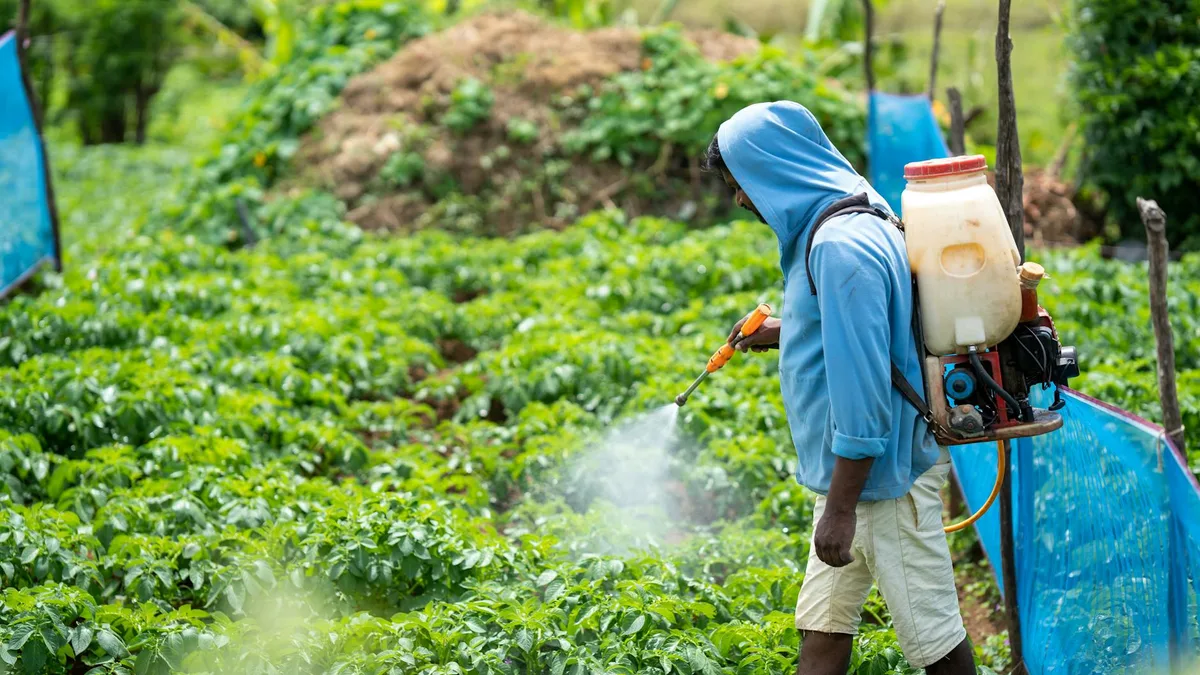
When we look at how these sprayers perform, several key factors emerge that differentiate them from the competition. The primary advantage is mobility combined with a substantial liquid capacity. You're not tethered to a hose, nor are you constantly bending over to pump.
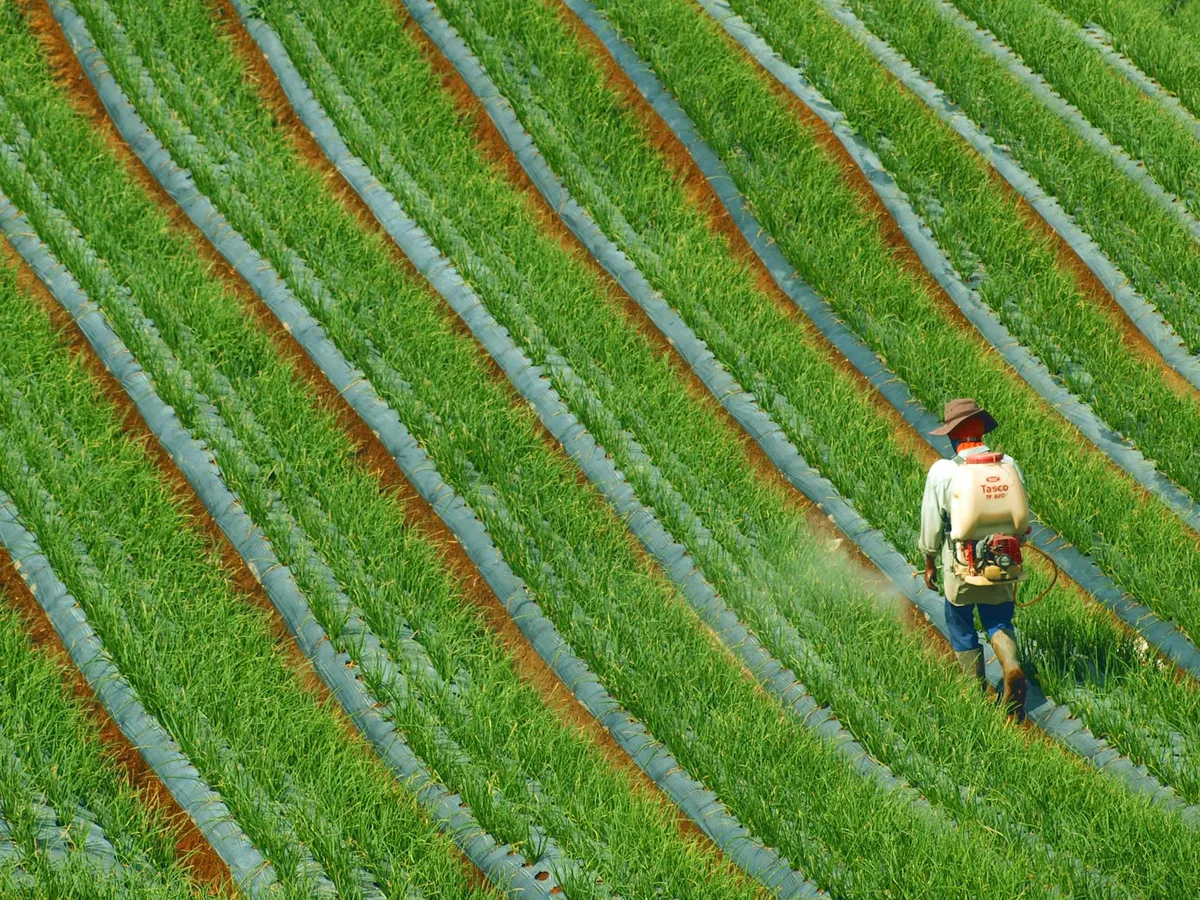
Our research indicates that a manual pump backpack sprayer allows you to build and maintain pressure with about 10-20 pumps, depending on the model, which can then last for several minutes of continuous spraying. This sustained pressure is vital for uniform coverage, which manufacturer data typically highlights as a key benefit for optimizing product efficacy.
Backpack Sprayer Features That Matter for Lawn Care
Not all backpack sprayers are created equal, and checking out their features can tell you a lot about how well they'll suit your lawn care needs. The tank capacity is a big one, of course. For most residential lawns, a 2-gallon or 3-gallon model is often sufficient, but if you have a larger yard or plan to apply less concentrated products, a 4-gallon tank might save you refills.
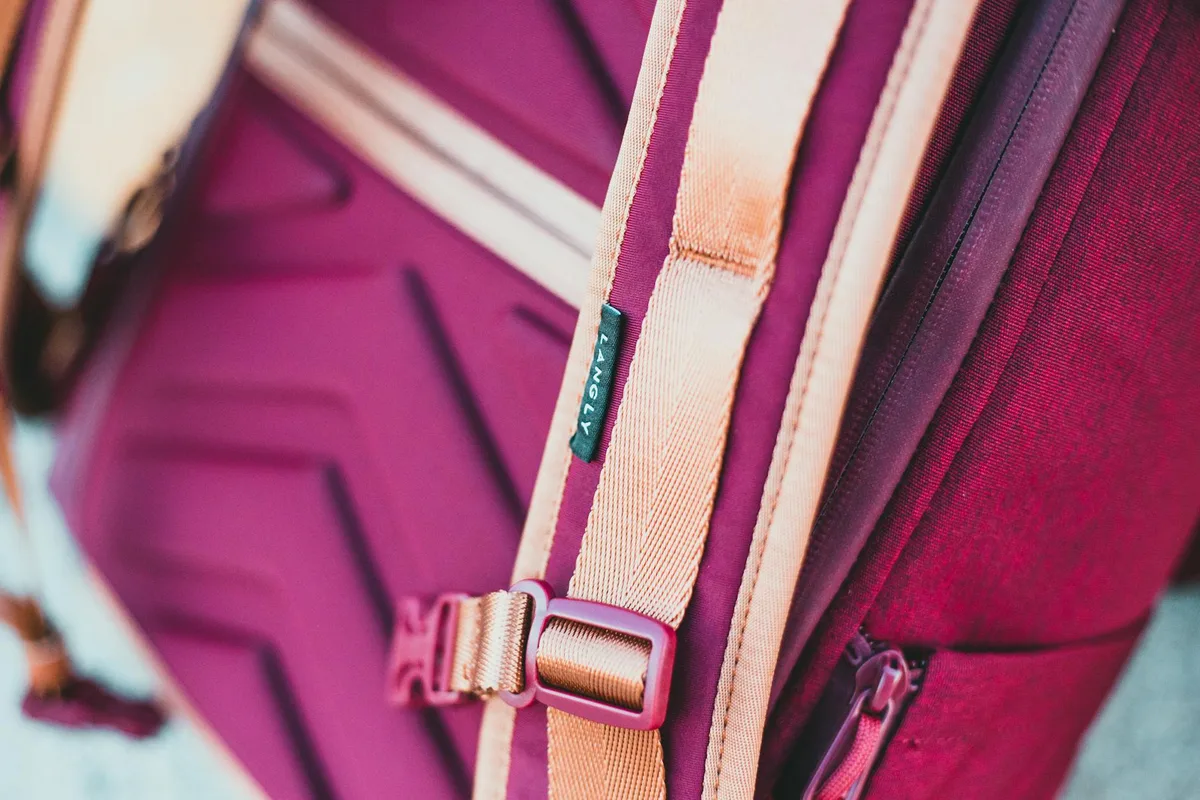
Straps and harnesses are another critical element. Since you're carrying the weight on your back, padded, adjustable shoulder straps are a must for comfort, especially during longer application sessions. Some higher-end models even feature lumbar support or waist belts to distribute the load more evenly.
What to Look For in a Tank
- Material: Typically made from durable polyethene, which is resistant to chemicals.
- Fill Opening: A wide opening makes filling easier and reduces spills. Look for a built-in strainer to keep debris out of the tank.
- Internal vs. External Pump: Internal pumps are often protected from damage, while external pumps can sometimes be easier to access for maintenance.
Pump Mechanism
- Manual Pump: The most common type. You build pressure by pumping a lever. This requires physical effort but offers simplicity and reliability.
- Battery-Powered: These use a rechargeable battery pack to power the pump, offering consistent pressure with minimal effort. They are more expensive but can be significantly less tiring for large areas or users with physical limitations.
The Real Benefits: Why They Make Lawn Care Easier
Let's talk about what you actually gain by picking up a backpack sprayer over other tools. It's about making your life easier and your lawn healthier. The effort you put in upfront with the right tool pays off in saved time and better results.
Freedom to Move, Precision to Apply
This is perhaps the biggest win. You're not dragging a hose that snags on bushes or trying to navigate a wheeled sprayer around flowerbeds. You can walk directly where you need to spray, allowing for precise application right up to the edge of pathways or around trees. This freedom means you can treat problem spots effectively without accidentally spraying areas you don't intend to.
Our research confirms that this direct application leads to more targeted treatment and less wasted product.
Comfort for the Long Haul
While carrying a full tank (which can weigh 20-40 pounds, depending on capacity) takes effort, a well-designed backpack sprayer distributes that weight across your shoulders and back. This is a far more ergonomic approach than repeatedly pumping a handheld sprayer or stooping to fill smaller containers. Manufacturer specifications often detail harness designs that aim to reduce user fatigue over extended periods.
Handling Bigger Jobs Effectively
For lawns that are larger than a small city lot but not quite estate-sized, a 2-gallon or 4-gallon backpack sprayer can often cover the entire area on a single fill, or with just one refill. This is a significant time saver compared to constantly refilling a tiny 32-ounce handheld sprayer, which might require 5-10 refills for the same area. Less time spent refilling means more time spent on other important yard tasks.
Are Backpack Sprayers Always the Right Call? (Drawbacks to Consider)
Okay, so we've sung the praises of the backpack sprayer, but it's not a magical cure-all for every lawn care scenario. Like any tool, it has its limitations, and knowing these helps you make the best choice for your specific situation. Overlooking these downsides can lead to frustration and less-than-ideal results, so it's smart to be aware.
Firstly, there's the physical aspect. Even with good ergonomics, you're still carrying a significant weight on your back. If you have pre-existing back or shoulder issues, or if you're simply not accustomed to carrying that kind of load, it can become uncomfortable or even painful. Verified buyer feedback often mentions that while better than handhelds, it still requires a certain level of physical fitness for larger lawns.
Secondly, while they're great for many yards, they aren't ideal for every yard. For very small areas, like a postage-stamp lawn or just a few potted plants, even a small backpack sprayer might feel like overkill. In these cases, a simple handheld sprayer is perfectly adequate and less cumbersome to store and manage.
Finally, the initial cost can be higher than basic handheld sprayers. A decent manual backpack sprayer might set you back $40-$80, while a battery-powered model could easily range from $100-$200 or more. If you only do one small application per year, that investment might be hard to justify.
When a Backpack Sprayer Shines: Ideal Lawn Care Scenarios
So, where does the backpack sprayer truly hit its stride? It's best suited for homeowners who have a moderate amount of lawn area to treat and who tackle a variety of tasks throughout the growing season. If you're someone who proactively manages weeds, fertilizes regularly, or needs to apply pest control treatments, this tool becomes incredibly valuable.
Consider these situations where a backpack sprayer excels:
- Moderate Lawn Sizes: Lawns from 1,000 to 5,000 square feet are often the sweet spot. This size is too large for a handheld to be practical but not so vast that a tow-behind sprayer becomes necessary for efficiency.
- Varied Terrain: If your yard has slopes, hills, or uneven ground, the mobility of a backpack sprayer is invaluable. You can easily navigate these areas without worrying about tipping over a wheeled unit or getting a hose caught.
- Targeted Treatments: Need to spot-treat a stubborn patch of dandelions or apply a localized pesticide? The maneuverability allows you to get right up to the problem area and apply precisely what's needed, minimizing drift and waste.
- Multiple Applications: If you use your sprayer multiple times a year for different treatments, for instance, a spring pre-emergent, a summer fungicide, and a fall fertilizer, the durability and efficiency of a backpack sprayer make the investment worthwhile.
Alternatives to Backpack Sprayers: What Else Can You Use?
When you’re figuring out the best way to apply liquids to your lawn, it’s good to know what other options are out there. Each has its own strengths and weaknesses, and the right one for you depends a lot on the size of your lawn, what you’re applying, and how often you’ll be using it.
Handheld Sprayers: Good for Small Fixes, Bad for Big Jobs
These are the classic, bottle-shaped sprayers you see everywhere. They’re great for very small jobs, like spot-treating a few weeds or applying a quick fix to a potted plant. They're inexpensive and easy to store. However, they come with a major limitation: capacity.
Most hold only a quart or a half-gallon, meaning you’ll be refilling them constantly if you try to cover anything more than a tiny patch. Plus, maintaining consistent pressure requires continuous pumping, which gets tiring fast.
Wheeled Sprayers: For Open Spaces, Not Tight Spots
If you have a large, mostly flat lawn and a tractor or riding mower, a wheeled tank sprayer might be appealing. These units can hold anywhere from 10 to 50 gallons or more, so you can cover a massive area without refilling. They are often powered by your mower's electrical system or have their own onboard pump.
However, they're not very agile. Their turning radius can be large, making them difficult to maneuver around landscaping, obstacles, or tight corners. They can also leave ruts in soft ground. If your lawn has a lot of features or irregular shapes, a wheeled sprayer quickly becomes impractical.