Why Use a Handheld Sprayer for Garden
When you're tending to your garden, getting the right amount of liquid precisely where it needs to go can feel like a balancing act. For tasks ranging from delicate watering to targeted pest control, the tools you choose make a world of difference. If you've ever struggled with an uneven watering can or wished for more control over spray bottle applications, you're probably wondering: why use a handheld sprayer for garden care?
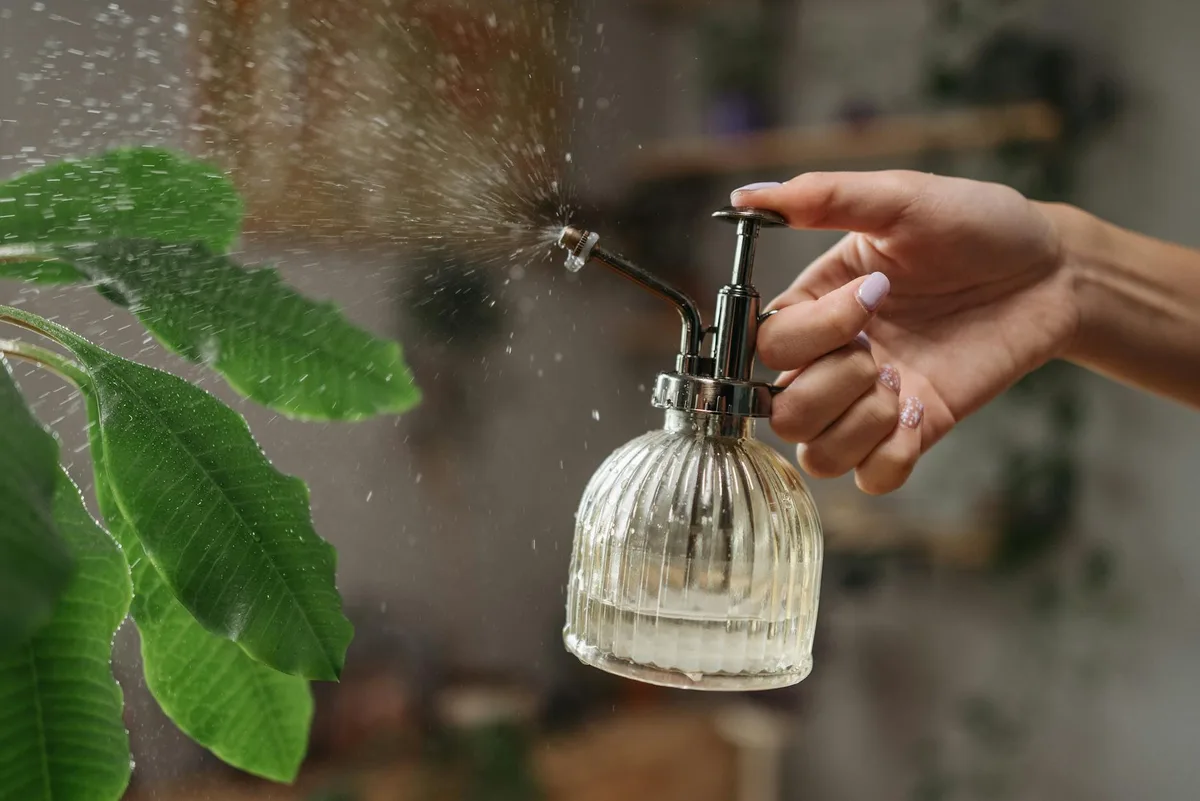
Manufacturer specifications for popular handheld garden sprayers (as of 2026) often highlight capacities ranging from 1 to 4 liters, with adjustable nozzle performance being a key feature. Aggregate user feedback reports that these tools provide a level of control unmatched by traditional methods for specific applications. Let’s dive into what makes them such valuable additions to your gardening arsenal.
What's the Big Deal with Handheld Sprayers for Your Garden?
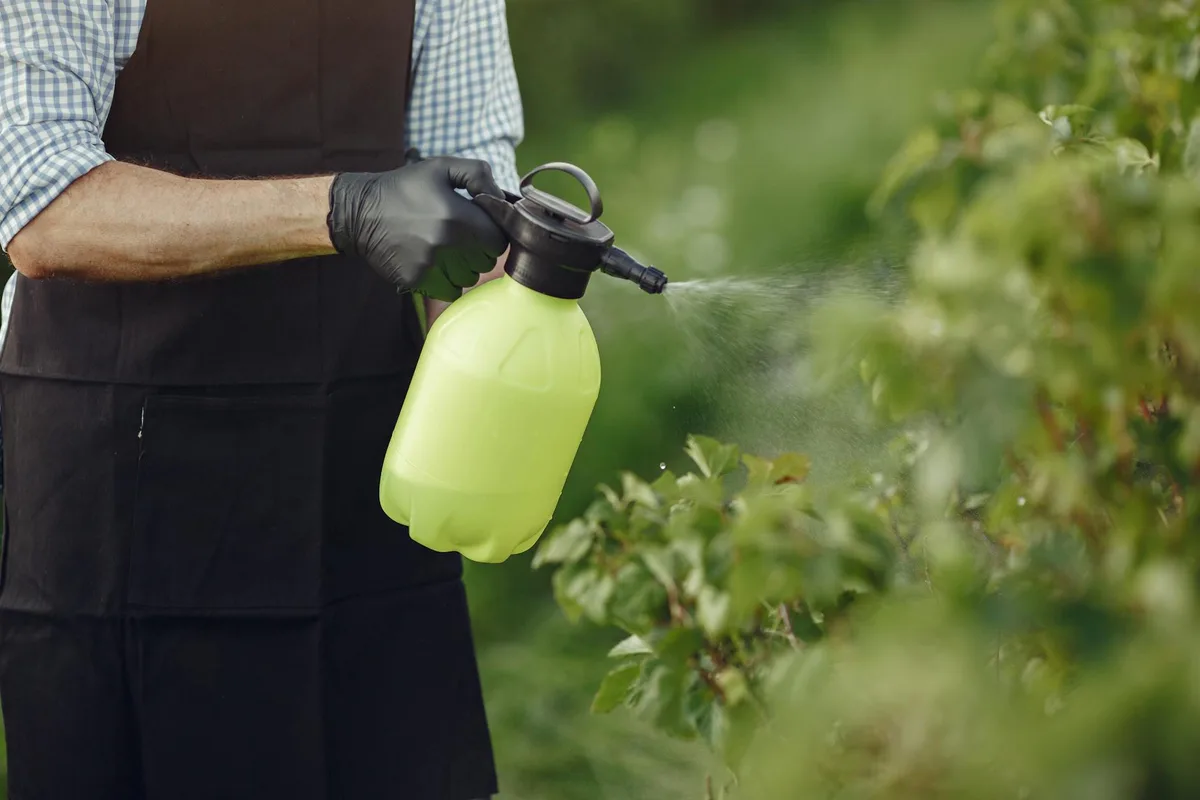
Think of a handheld sprayer as your precision applicator for all sorts of garden liquids. It's essentially a container with a pump mechanism that pressurizes the liquid and a nozzle that disperses it, typically as a fine mist or a more focused stream. This controlled delivery is its core superpower.
Unlike a watering can that dumps water in one spot, or a hose that can be too powerful, a handheld sprayer lets you dial in the application. This means you're not wasting product, you're not damaging delicate plants with a heavy flow, and you can focus treatments precisely where they're needed most. This targeted approach is fundamental to efficient and healthy gardening practices.
When Does a Handheld Sprayer Shine Brightest?
A handheld garden sprayer really proves its worth in situations demanding accuracy and gentle application. Our research indicates these tools excel in several key areas:
- Spot Treatments: If you spot a few aphids on a single rose bush or notice the early signs of powdery mildew on a tomato plant, a handheld sprayer is your best bet to address just that area. You avoid drenching healthy parts of the plant or nearby vegetation.
- Seedling Care: Newly sprouted seedlings are incredibly fragile. A fine mist from a handheld sprayer provides moisture without disturbing their delicate roots or flattening their tiny leaves, a risk with heavier water sources.
- Foliar Feeding and Nutrient Boosts: When applying liquid fertilizers designed for absorption through leaves, an even, fine mist ensures maximum surface area contact. This allows plants to take up nutrients more effectively than a direct drench.
- Precise Weed Management: Using herbicides or even targeted natural weed killers, a handheld allows you to apply the solution directly onto the weed’s foliage, minimizing drift onto your desired plants. Careful aim is crucial here.
Comparing Sprayer Options: Handheld vs. Others
Choosing the right tool depends on the task. Here’s how a handheld sprayer stacks up against other common garden liquid applicators, helping you decide which is best for your needs.
Watering Can: The Classic Choice
A watering can is your go-to for general watering of beds, borders, and potted plants. It’s simple, requires no setup, and is perfect for bulk watering. However, its primary limitation is precision; it's hard to get an even, fine mist, and the pour can be too strong for delicate growth. It’s best for tasks where uniform coverage isn't critical and a gentle flow isn't paramount.
Hose-End Sprayers: For Broader Coverage
These attachments connect to your garden hose and are designed for applying liquids over larger areas, like fertilizing a whole lawn or treating a significant pest infestation across multiple plants. They offer better coverage than a watering can for these larger jobs. However, they can be less precise than a handheld, and the pressure from the hose can sometimes be too aggressive for sensitive plants or require careful adjustment to avoid over-application. They are not ideal for spot treatments.
Backpack Sprayers: The Heavy-Duty Workhorses
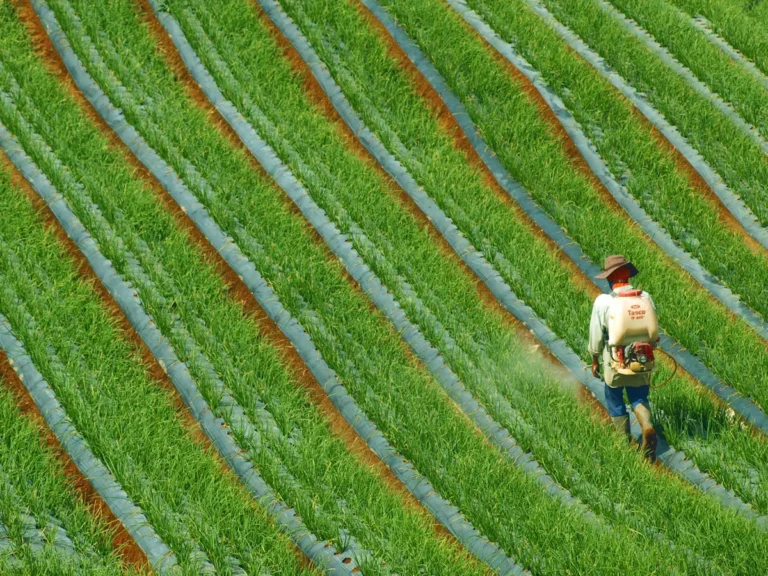
For extensive gardens, orchards, or professional landscaping, backpack sprayers are the most efficient solution. They hold significant volumes of liquid (often 4 gallons or more) and distribute it over large areas with less user fatigue than carrying multiple smaller units. Their strength lies in their capacity and extended reach. However, they are often overkill for small gardens and can be cumbersome, heavy, and difficult to maneuver in tight spaces.
What to Look For in a Handheld Sprayer
When you're in the market for a handheld garden sprayer, focusing on a few key aspects will lead you to a tool that serves you well for years.
Key Features to Consider
- Adjustable Nozzle: This is perhaps the most critical feature for versatility. A good nozzle allows you to switch between a fine, umbrella-like mist for delicate foliar application, a cone spray for broader coverage, and a focused stream for reaching specific spots or for heavier watering. Look for nozzles that can be easily adjusted without tools.
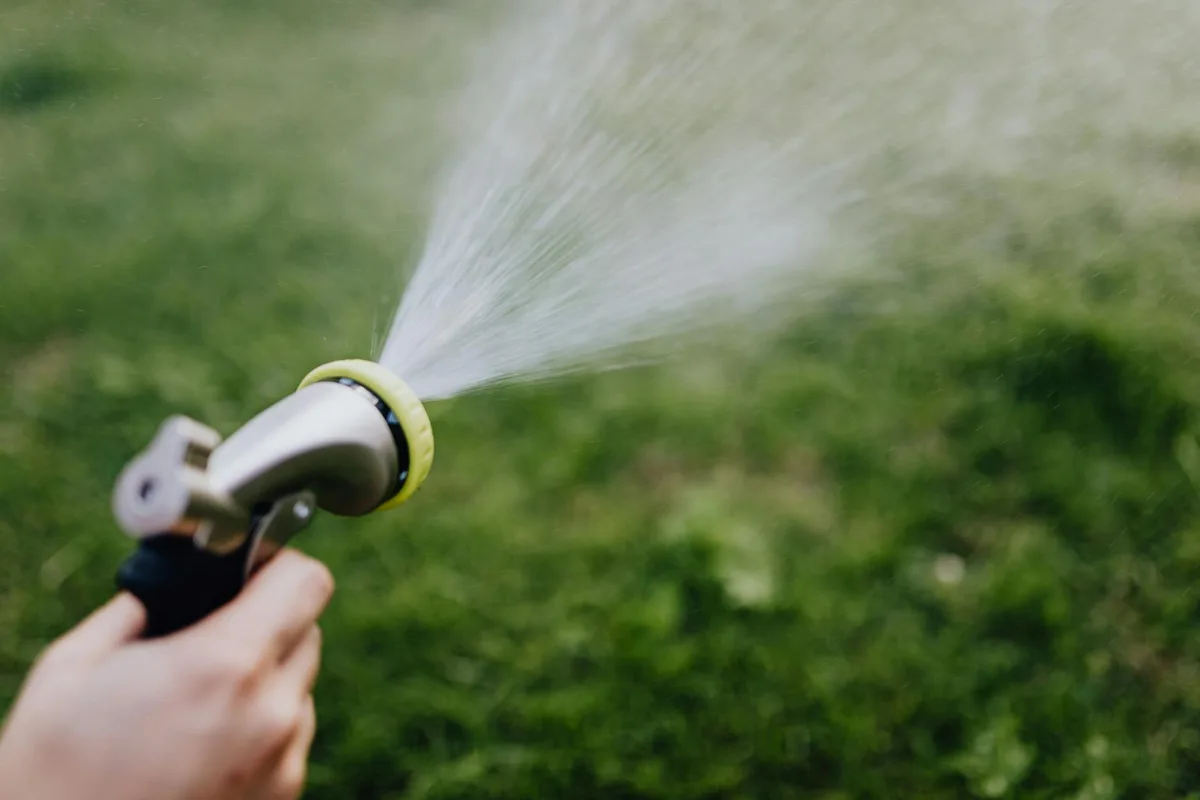
- Pump Mechanism: Most handheld sprayers use a pump-action design. The pump should feel robust and provide smooth, consistent pressure with a reasonable number of pumps. Some models incorporate larger pump handles for easier operation.
- Comfortable Grip and Handle: Since you’ll be holding and operating it, a comfortable grip and well-designed handle can reduce strain during longer sessions.
Capacity and Material Matters
- Capacity: Handheld sprayers typically range from 1 liter for very small tasks up to 4 liters for moderately sized applications. For most home gardeners, a 1-liter or 2-liter sprayer is perfectly adequate for spot treatments and feeding individual plants. If you frequently treat larger areas or use more product, a 3-liter or 4-liter model might be more efficient, reducing the number of refills needed.
- Material: Durable plastics, often labeled as UV-resistant, are standard. High-quality plastics resist cracking and degradation from sunlight exposure, ensuring longevity. Some higher-end models might incorporate metal components for the pump or nozzle for enhanced durability.
Common Gardening Tasks for Your Handheld Sprayer
The versatility of a handheld garden sprayer means it can handle a surprisingly wide array of tasks in your garden, from pest control to feeding.
Tackling Pests and Diseases
One of the most common and effective uses for a handheld sprayer is the targeted application of pest control solutions and fungicides.
- Pest Control: When you identify pests like aphids, spider mites, or whiteflies on specific plants, you can precisely spray them with insecticidal soap, neem oil, or other targeted treatments. This ensures the product reaches the pests without unnecessarily coating the entire plant or nearby beneficial insects.
- Disease Management: Early detection of fungal diseases such as powdery mildew or black spot allows for immediate intervention. A handheld sprayer enables you to apply preventative or curative fungicides directly to the affected leaves and stems, preventing the spread of the disease to other plants.
Feeding Your Plants
Beyond pest and disease control, handheld sprayers are excellent for delivering nutrients directly to plants.
- Foliar Feeding: Some fertilizers are formulated for foliar application, meaning they are absorbed directly through the plant's leaves. A fine mist from a handheld sprayer ensures even coverage, allowing for rapid nutrient uptake. This is particularly useful for plants showing signs of nutrient deficiency or those that benefit from quick boosts of specific micronutrients. Dilution rates specified on the fertilizer packaging are critical here.
Caring for Seedlings and Young Blooms
Delicate new growth requires a gentle touch, something a handheld sprayer provides exceptionally well.
- Watering Young Plants: For newly sown seeds or very young seedlings, a soft mist is ideal. It provides moisture without dislodging the seeds or damaging the tender cotyledons and roots. The controlled flow prevents over-saturation, which can lead to damping-off disease.
- Hydrating Sensitive Flowers: Many flowering plants, especially those with delicate petals, can be damaged by heavy water streams. A gentle mist from a handheld sprayer can provide necessary hydration without harming the blooms.
Precision Weed Control
When it comes to managing weeds, precision is key to avoid harming your prized plants.
- Targeted Herbicide Application: If you choose to use herbicides, a handheld sprayer is indispensable for direct application onto weed foliage. This minimizes the risk of the herbicide drifting onto adjacent desirable plants, which can happen easily with larger sprayers or windy conditions. Always read and follow herbicide labels for correct dilution and application methods.
- Natural Weed Solutions: Even with natural weed killers, such as vinegar-based solutions or salt sprays, precise application is important to prevent damage to surrounding plants and soil health.
Smart Sprayer Use: Tips and Tricks
Using your handheld sprayer effectively involves more than just filling it up and pointing. A few thoughtful practices can significantly enhance its performance and longevity.
Best Practices for Application
When spraying, always aim to apply the liquid to the target area, whether it's pests on a leaf or fertilizer on foliage. Avoid spraying during the hottest part of the day, as this can cause liquid to evaporate too quickly or scorch delicate plant tissues. It’s also wise to avoid spraying when it's windy to prevent drift onto unintended areas and to ensure optimal product contact with the target.
If you’re treating pests or diseases, thoroughly wet the affected areas, even the undersides of leaves where many pests hide. For fertilizers, aim for even coverage across the foliage. Remember to follow the dilution instructions precisely for any product you use; over-concentrating can harm plants, while under-concentrating reduces effectiveness.
Cleaning and Maintenance Essentials
Proper cleaning is crucial for preventing clogs and cross-contamination between different treatments. After each use, thoroughly rinse the sprayer tank, pump mechanism, and nozzle with clean water. If you’ve used anything other than plain water, such as soaps, fertilizers, or pesticides, a more thorough cleaning might be necessary.
Some users find running a weak vinegar solution through the sprayer after use can help dissolve residue. After rinsing, store the sprayer empty and with the nozzle loosened or set to a wide mist pattern to prevent the seal from getting permanently compressed. This simple maintenance routine ensures your sprayer is ready for its next job and extends its operational life significantly.
Basic Cleaning Steps for Your Sprayer
- Empty thoroughly: Ensure all liquid is removed from the tank.
- Rinse with clean water: Fill the tank partially with water and pump it through the nozzle several times. Repeat this process until the water runs clear.
- Clean the nozzle: Detach the nozzle if possible and rinse it under running water. Use a small brush or pin to clear any obstructions.
- Dry and store: Allow the sprayer to air dry, preferably with the lid slightly ajar, and store it in a cool, dry place.
When to Think Twice About a Handheld Sprayer
While incredibly useful, a handheld sprayer isn't always the best tool for every garden task. For exceptionally large gardens, covering many acres, a handheld unit’s capacity will become a bottleneck, requiring constant refills and becoming time-consuming. In such scenarios, a larger backpack sprayer or even a tractor-mounted sprayer would be far more efficient.
Furthermore, if your primary need is simply to water large areas or water established plants that can handle a deluge, a watering can or a standard garden hose might be more practical. These tools are designed for bulk delivery and require less effort for those specific, less precise watering jobs. Evaluating the scale of your task is key to selecting the most appropriate tool.
Final Thoughts: Is a Handheld Sprayer Right for You?
The decision to add a handheld garden sprayer to your toolkit comes down to your specific gardening needs and the scale of your operation. If you frequently find yourself needing to apply liquids with precision, whether it's for pest control on a few plants, giving a nutrient boost to your tomatoes, or carefully watering delicate seedlings, then a handheld sprayer is an excellent investment.
Its ability to offer controlled, even, and targeted application makes many gardening tasks more efficient and effective than alternatives. When paired with proper cleaning and maintenance, these sprayers can become reliable workhorses that contribute significantly to the health and productivity of your garden.