Who Makes the Best Commercial Zero Turn Mowers
If you're trying to figure out who makes the best commercial zero turn mowers, the answer isn't one brand name. It depends on what kind of work you're running, how many hours a week that machine turns, and whether your local dealer can get you parts on a Tuesday in peak mowing season.
What separates the top brands from the rest isn't horsepower numbers on a spec sheet. Commercial zero turn mowers (ZTRs) built for professional use are rated for 2,000 hours or more of operation, constructed with fabricated steel decks and dual commercial-grade hydraulic pump-and-motor systems. That foundation is what determines which brands protect your schedule and which ones cost you when it matters most.
Why Choosing the Wrong Commercial ZTR Can Cost You More Than the Machine
The wrong mower doesn't just underperform. It costs you your season.
A machine running 8-hour days across commercial accounts will log 500 hours or more in a single mowing season. If that machine was built for residential or prosumer use, you're already past its intended service ceiling. Aggregate reviews from professional landscaping operations consistently flag unplanned downtime during peak weeks as the single most damaging operational cost they face.
Parts delays compound the problem fast. A hydraulic pump failure on a brand with thin dealer coverage can mean a week of idle labor costs, missed accounts, and subcontracted work at a net loss. Choosing a commercial ZTR isn't about preference. It's about protecting productive hours and keeping your schedule intact.
Resale value plays in too. Top commercial brands hold their value significantly better over 3 to 5 years of heavy use than mid-tier or prosumer machines. A machine that costs $2,000 more at purchase but retains $3,000 more at resale comes out ahead on total cost of ownership.
The Short Answer: Best Commercial Zero Turn Brands Ranked
Based on manufacturer specifications, commercial operator feedback, and verified long-term durability data, here are the leading commercial ZTR brands as of 2026:
| Rank | Brand | Best Known For |
|---|---|---|
| 1 | Scag Power Equipment | All-around commercial durability and dealer support |
| 2 | Exmark Manufacturing | Cut quality and operator ergonomics |
| 3 | Hustler Turf Equipment | Ground speed, frame strength, and EFI efficiency |
| 4 | Ferris Industries | Operator comfort through independent suspension |
| 5 | Gravely | Solid mid-tier commercial value |
| 6 | Kubota (ZD series) | Diesel reliability for sustained high-hour fleets |
| 7 | Wright Manufacturing | Stand-on and compact ZTR efficiency |
| 8 | Bad Boy Mowers (commercial) | Entry-level commercial at accessible price points |
No single brand wins for every situation. Each earns its position for specific use cases, covered in full in the brand breakdown below.
Commercial vs. Prosumer ZTR: Why the Difference Actually Matters
A prosumer zero turn looks similar to a commercial unit. Same layout, comparable horsepower rating, similar deck size. But the internal build is different in ways that don't show up until the machine has 600 hours on it.
The deck steel is the first tell. Commercial decks use 7-gauge fabricated steel at 0.179" thick. Prosumer and residential decks use 10-gauge stamped steel at 0.134", which deflects under sustained load and dulls blades faster than fabricated alternatives.
The hydraulic system is the second. Commercial ZTRs use separate pump-and-motor configurations. Parker TG series, Danfoss, and Hydro-Gear commercial units handle sustained high-torque loads with less heat accumulation than the lighter integrated transaxles (Hydro-Gear ZT-3100, ZT-3400) found in prosumer machines. Heat is the primary driver of hydraulic seal failure and fluid degradation.
| Feature | Commercial Grade | Prosumer Grade |
|---|---|---|
| Deck steel | 7-gauge fabricated | 10-gauge stamped |
| Hydraulic system | Separate pump-and-motor | Integrated transaxle |
| Frame construction | Fully welded tubular steel | Bolt-together sections |
| Engine options | Kawasaki FX, Vanguard, Kohler Command Pro | Kohler 7000, B&S Professional |
| Commercial warranty | 2-year commercial coverage | Often voided for commercial use |
| Expected lifespan | 2,000–3,500 hours | 500–800 hours at commercial intensity |
The conclusion is straightforward. If you're mowing 25 or more hours per week on commercial accounts, the machine tier matters more than the brand name on the hood.
What Makes a Zero Turn Truly Commercial Grade
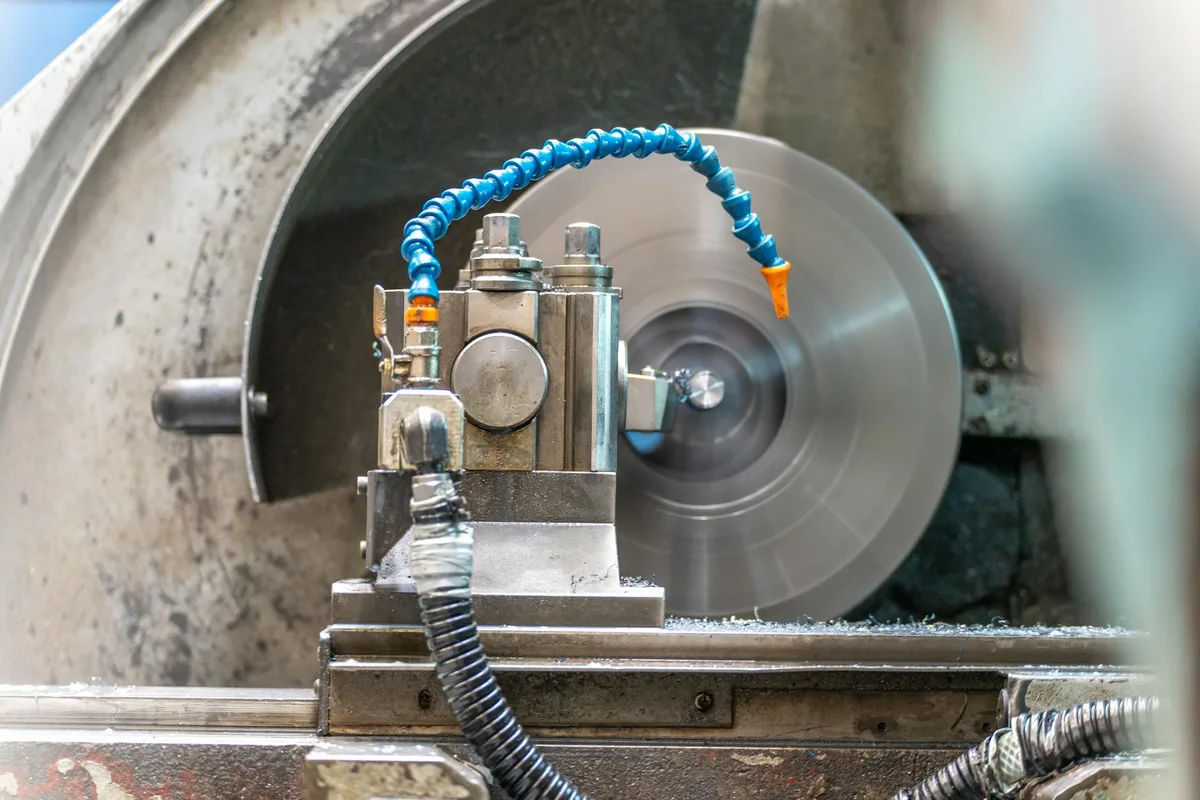
Deck Construction: Fabricated vs. Stamped Steel
Fabricated decks are welded together from flat-cut steel plates, which allows for thicker gauge material and precision-engineered airflow baffling. Stamped decks are pressed from a single sheet, limiting thickness and creating stress points at the bends where material is most likely to fatigue.
In commercial ZTRs, 7-gauge fabricated decks are the baseline. Scag, Exmark, and Hustler each use proprietary baffling systems (Velocity Plus, UltraCut, X-Factor) built directly into these decks to control blade tip speed and discharge velocity. The result is a cleaner, more consistent cut at high ground speeds, even in heavy or wet grass conditions.
Hydraulic Systems: Commercial Pump-and-Motor vs. Integrated Transaxle
Commercial ZTRs route drive power through separate hydraulic pumps and dedicated wheel motors. Parker TG series, Danfoss, and Hydro-Gear commercial configurations are engineered to sustain high-torque output across long daily operating cycles with minimal heat accumulation.
Integrated transaxles work well for lighter residential use. But under sustained 8-hour commercial cycles, they generate heat that degrades hydraulic fluid and shortens seal lifespan. This is the most common root cause of early drivetrain failure in machines pushed beyond their intended duty cycle.
Frame and Weld Quality
Commercial frames are fully welded, not bolted. Scag's all-welded steel construction is one of the most frequently cited durability benchmarks in professional landscaping discussions. Hustler reinforces high-stress frame joints with additional gusset plating. Both approaches reduce flex and the fatigue cracking that develops over high operating hours.
Bolt-together frame sections, common on entry-level and prosumer machines, loosen over time, transmit vibration to the operator platform, and accelerate wear in spindle housings and deck mounting hardware.
Engine Tier: Kawasaki FX, Kohler Command Pro, and Briggs Vanguard Compared
All three engine families appear across top commercial brands. Real-world performance differences are narrower than brand loyalty suggests, but the distinctions matter for specific operating conditions.
| Engine | Key Strength | Common Application |
|---|---|---|
| Kawasaki FX series | Long service intervals, strong parts network | Scag, Exmark, Hustler |
| Kohler Command Pro | Reliable output, broad dealer availability | Gravely, Ferris, Bad Boy |
| Kohler EFI | 10–15% fuel savings, better cold-start | Exmark, Hustler premium configs |
| Briggs Vanguard | High torque for heavy deck loads | Ferris, Gravely, Wright |
| Briggs Vanguard EFI | Fuel efficiency plus commercial durability | Ferris IS platforms |
EFI configurations deliver measurable returns in commercial operation. Manufacturer specifications confirm EFI engines reduce fuel consumption by 10 to 15% under equivalent load conditions, which adds up significantly across a full mowing season.
Brand-by-Brand Breakdown: The Top Commercial ZTR Manufacturers
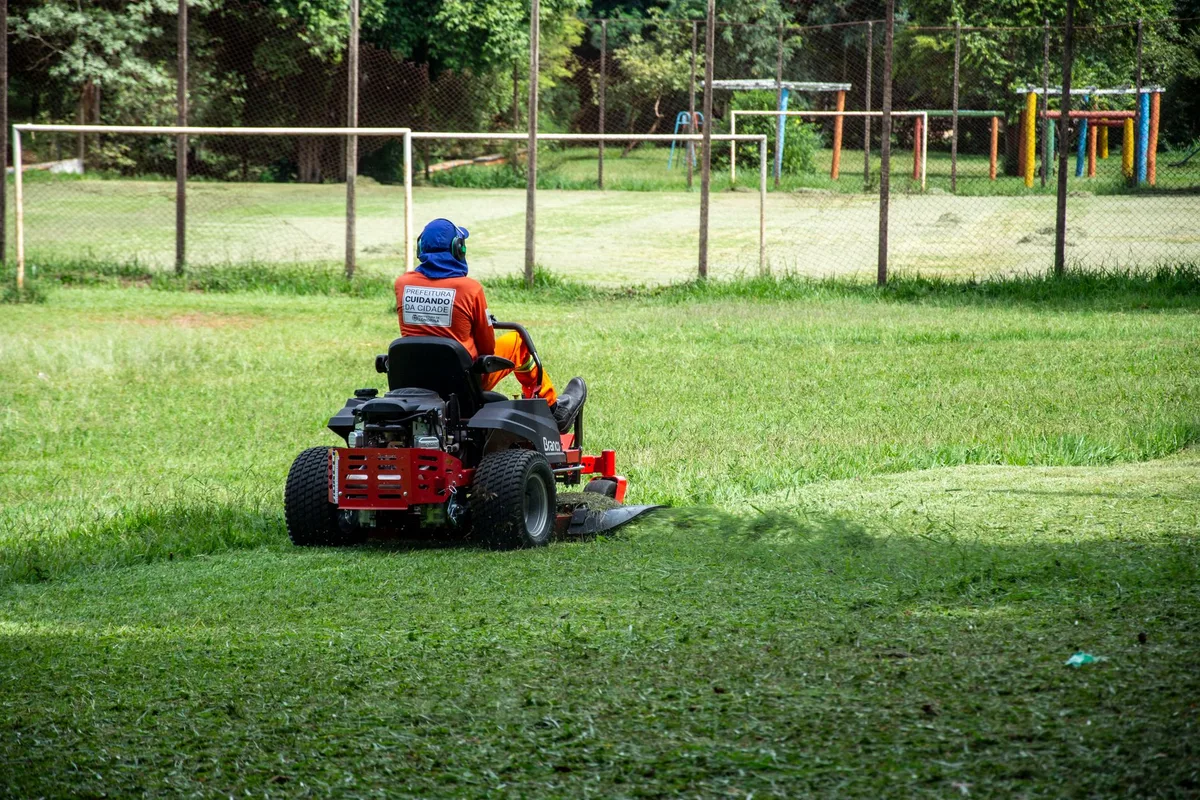
Scag Power Equipment
Scag is the consistent benchmark in professional ZTR conversations. The Turf Tiger II runs in 61" and 72" deck configurations powered by Kawasaki FX or Briggs Vanguard engines, designed explicitly for high-hour commercial operation. Aggregate professional feedback across landscape contractor communities rates Scag's dealer network and parts availability among the strongest in the industry.
The Velocity Plus deck system produces clean dispersal-style cutting at speeds up to 13 mph. Cast-iron spindle housings and a fully welded frame are standard across the Turf Tiger lineup. The commercial warranty covers two years of commercial-use operation. Full model specifications and dealer locator are available at the Scag Power Equipment official site.
Best for: High-volume lawn care operations, multi-machine fleets, and operators who prioritize long-term reliability and strong resale value.
Exmark Manufacturing
Exmark sits alongside Scag at the top of the professional tier. The Lazer Z X-Series is the flagship commercial platform, available in 52", 60", and 72" deck configurations with Kawasaki FX or Kohler EFI engines. Exmark's UltraCut deck system is consistently rated among the best for cut quality across variable ground speeds, particularly in mixed or uneven turf.
Exmark operates as an independent subsidiary under Toro but maintains its own engineering, product line, and dealer network. Operator ergonomics are a consistent strength, with well-positioned lap bar controls and seating options that reduce cumulative fatigue across full mowing days.
Best for: Operators where cut quality is the primary differentiator, particularly those servicing premium residential or high-visibility commercial accounts.
Hustler Turf Equipment
Hustler's Super Z HyperDrive reaches verified ground speeds up to 16 mph on select configurations, making it one of the fastest commercial ZTRs available. The X-Factor deck maintains cut quality at those elevated speeds, and Hustler's frame incorporates additional gusset reinforcement at high-stress joint areas. EFI availability across the commercial lineup is broader than most comparable brands.
Aggregate owner feedback consistently positions Hustler as the strongest choice for large, flat, open commercial properties where ground speed directly translates to productivity gains per day.
Best for: Large, flat commercial sites where mowing speed is the primary productivity lever.
Ferris Industries
Ferris built its commercial reputation on the IS (Independent Suspension) platform, a patented four-wheel independent suspension system that absorbs terrain variation rather than transmitting it to the operator. On rolling or uneven properties, this reduces both operator fatigue and deck scalping, two problems that compound significantly across a full day of commercial mowing.
The suspension also maintains more consistent blade-to-ground contact on undulating surfaces, producing a more even cut than rigid-frame machines in those same conditions. Most Ferris commercial platforms run Briggs Vanguard or Vanguard EFI engines.
Best for: Properties with rolling terrain or significant elevation changes, and operators managing chronic fatigue from long daily operating hours.
Gravely
Gravely, part of the Ariens Company family, offers a strong mid-tier commercial option through the Pro-Turn series. The Pro-Turn 600 pairs Kawasaki FX or Kohler Command Pro engines with 7-gauge fabricated decks and benefits from Ariens' well-established dealer distribution network across North America.
Aggregate professional reviews place Gravely slightly below Scag and Exmark at extreme commercial hour loads, but as a compelling value choice for operations running 25 to 35 hours per week that don't need top-tier premium build quality to sustain their workflow.
Best for: Mid-volume operations and owner-operators who want genuine commercial-grade construction without paying premium brand pricing.
Side-by-Side Comparison: Commercial ZTR Brands at a Glance
Here's how the top commercial brands stack up across the specifications that actually drive purchasing decisions:
| Brand | Deck System | Hydraulics | Suspension | Approx. Price Range | Top Ground Speed |
|---|---|---|---|---|---|
| Scag | Velocity Plus, 7-gauge | Parker TG / Hydro-Gear commercial | None | $10,000–$16,000 | 13 mph |
| Exmark | UltraCut, 7-gauge | Hydro-Gear commercial | None | $10,500–$16,500 | 12 mph |
| Hustler | X-Factor, 7-gauge | Parker commercial | None | $10,000–$17,000 | 16 mph |
| Ferris | iCD, 7-gauge | Parker TG | 4-wheel independent | $12,000–$18,000 | 12 mph |
| Gravely | XFactor II, 7-gauge | Parker TG | None | $8,500–$13,000 | 12 mph |
| Kubota ZD | 7-gauge, diesel | HST commercial | None | $11,000–$18,000 | 10 mph |
| Wright | Aero-Core | Hydro-Gear commercial | None | $8,000–$13,000 | 12 mph |
Price ranges are approximate and vary by dealer, region, and configuration year. Ferris IS models carry a clear premium specifically for the suspension platform.
Fleet buyers should negotiate directly with dealers rather than accepting sticker pricing. Volume purchase agreements are common at most authorized commercial dealers, particularly for orders of three or more machines.
Best Commercial Zero Turn Mower for Each Use Case
Ground speed doesn't help much on tight residential routes. Suspension isn't worth paying for if you're mowing flat ground. Matching machine to operation type is how you avoid expensive regret.
Best for High-Volume Lawn Care Crews
Scag and Exmark are the two brands that consistently appear in established commercial fleets running 40-plus hours per week. Both combine durable hydraulic systems, reliable dealer support, and fabricated deck quality that holds across multiple seasons of sustained use. Hustler's Super Z is the strong third option for crews where open, high-acreage accounts dominate the schedule.
Best for Solo Owner-Operators
A solo operator needs a machine that starts reliably every morning, avoids unplanned repair bills, and holds resale value at trade-in. Scag Turf Tiger II and Exmark Lazer Z X-Series both fit that profile well. Gravely Pro-Turn offers a lower entry price with genuine commercial-grade specs, making it a practical starting point for an operator still building their account base.
Best for Slopes and Uneven Terrain
Ferris IS platforms are the straightforward recommendation here. The patented four-wheel independent suspension reduces scalping on rolling ground and keeps the operator more functional across uneven terrain than any rigid-frame competitor at similar price points. For mild terrain variation without significant slope, wide-base Scag models provide stability without paying the Ferris IS premium.
Best for Fuel Efficiency
Hustler's commercial EFI configurations and Exmark's Kohler EFI lineup both deliver consistent fuel savings in daily commercial use. Ferris Vanguard EFI models are the strongest single option for operators who want suspension plus fuel efficiency in the same platform.
Best Budget-Conscious Commercial Option
Bad Boy's commercial ZTR line and Gravely Pro-Turn 400 series both offer fabricated decks and commercial-spec hydraulics at lower price points than tier-one brands. You'll trade some long-term durability ceiling and resale value retention, but for an operation building a route from scratch, these are legitimate commercial machines rather than prosumer products with inflated positioning.
Gas vs. Diesel vs. Electric: Which Powertrain Makes Sense Commercially
Gas remains the dominant choice in commercial ZTRs for straightforward reasons. Parts are universally stocked, dealer familiarity is high, and the range of engine options across Kawasaki FX, Kohler Command Pro, and Briggs Vanguard gives buyers flexibility without worrying about specialist service.
Diesel, primarily through Kubota's ZD series, makes practical sense for operations running sustained heavy loads at high hours. Diesel engines produce higher torque at lower RPM, which reduces heat stress on the drivetrain during all-day mowing cycles. The tradeoffs are a higher purchase price, more complex fuel management, and thinner dealer coverage than major gas-engine alternatives in many markets.
Electric commercial ZTRs are a functioning category, not a future concept. Mean Green Products builds battery-powered commercial units with verified continuous run times designed for municipal grounds maintenance and operations with noise restrictions or zero-emission requirements. Current constraints include higher upfront costs, charging infrastructure investment, and range limitations for multi-property routes.
| Powertrain | Relative Fuel Cost | Upfront Cost | Strongest Fit |
|---|---|---|---|
| Gas (carbureted) | Moderate | Low to mid | General commercial use |
| Gas (EFI) | Lower (10–15% savings) | Mid | High-hour commercial routes |
| Diesel | Lower per operating hour | Higher | Heavy sustained loads |
| Battery/Electric | Very low | High | Municipal, noise-restricted sites |
For most commercial lawn care operations, gas EFI is the practical sweet spot between daily operating cost, purchase investment, and parts access.
Dealer Network and Parts Availability: The Factor Most Buyers Ignore
A brand's dealer network is probably the single most underweighted factor in commercial ZTR purchasing decisions. You can own the most reliable machine on the market and still lose a week of peak-season revenue if the nearest stocking dealer is three states away.
Scag, Exmark, and Hustler maintain strong dealer networks across most of the continental US. Many dealers stock common wear items on the shelf: belts, blades, spindle bearings, and hydraulic filters. Gravely benefits from Ariens' broad distribution infrastructure. Kubota dealers are widely distributed, but their commercial ZTR parts coverage varies considerably by location.
Before purchasing any commercial ZTR, call your nearest authorized dealer and ask two direct questions. First, do they stock hydraulic belts and spindle components for that specific model as shelf inventory? Second, what is their typical parts turnaround during peak mowing season? A one-week parts delay in June costs multiples more than a $500 price difference at the point of sale.
Smaller and regional brands carry the highest risk on this front. Attractive pricing can evaporate quickly when a single mechanical issue turns into a 10-day wait for a component that should have been on a dealer shelf.
Real Cost of Ownership: Purchase Price Is Just the Beginning
The sticker price is genuinely the smallest part of what a commercial ZTR costs over five years of operation. Fuel, maintenance, and downtime stack up fast once a machine enters a real commercial schedule.
Blade sharpening alone runs roughly every 8 to 10 operating hours in commercial mowing conditions, which puts most high-volume operations at 50 to 60 sharpenings per season. Add oil changes at 50-hour intervals, hydraulic fluid replacement at 500 hours, and belt cycles that vary by brand and deck design, and maintenance costs become a meaningful line item.
Here's a realistic annual cost estimate for a commercial ZTR running 500 hours per season:
| Cost Category | Annual Estimate |
|---|---|
| Fuel (gas, carbureted, 2 gal/hr avg.) | $2,000–$3,000 |
| EFI fuel savings over carbureted | $200–$450 reduction |
| Blade replacement and sharpening | $300–$600 |
| Belt replacement | $150–$400 |
| Hydraulic fluid and filters | $100–$200 |
| Engine oil and filters | $100–$200 |
| Spindle and bearing maintenance | $150–$400 |
| Estimated annual operating total | $2,800–$4,800 |
Top-tier commercial brands tend to show lower annual maintenance costs in the 800 to 1,500-hour range because their components are engineered to run longer before replacement. Mid-tier brands compensate with lower purchase prices but typically show higher replacement frequency on belts, spindle bearings, and hydraulic components under sustained commercial load.
Resale value shifts the math further. A well-maintained Scag Turf Tiger or Exmark Lazer Z retains significantly more value at 1,500 hours than an entry-level commercial or prosumer unit at the same hour count. Factoring resale into a 5-year total cost comparison often closes the gap between premium and budget-tier commercial machines considerably more than buyers expect at the point of purchase.
Mistakes to Avoid When Buying a Commercial Zero Turn
Buying on sticker price alone. The cheapest commercial-spec machine on the lot often signals thinner margins in the components that matter most: spindle housing quality, hydraulic pump grade, and deck steel gauge. A $1,500 price difference between a Gravely Pro-Turn and a Scag Turf Tiger looks significant at the dealership. Across five years and 2,500 operating hours, it typically isn't.
Skipping the dealer demo. Every major commercial ZTR brand offers demo programs through authorized dealers. Aggregate professional feedback consistently shows operators who demo a machine on their actual terrain before purchase make fewer regretted purchases. Lap bar feel, operator platform width, and deck lift ergonomics vary enough between brands to matter after eight hours in the seat.
Choosing a brand without local dealer support. Confirm your nearest authorized dealer actively stocks parts for your specific model, not just the brand in general. Some dealers carry two or three brands but genuinely support only one. That distinction doesn't show up until you're waiting on a spindle bearing in mid-June.
Ignoring the commercial warranty terms. Most manufacturers void commercial coverage if the machine is used outside specified operational parameters. Read the actual warranty document, not just the headline period. Scag, Exmark, and Ferris publish clear commercial-use warranty terms; verify your operating hours and use case fall within the definition before you sign.
Underspecifying deck size for your route. A 52" deck on open commercial properties adds hours to your workday compared to a 60" or 72" configuration. Conversely, putting a 72" deck on a route full of tight residential lots creates trimming problems that erase any time you gained. Match deck width to the majority of your properties, not the outliers.
Overlooking machine weight on soft turf. Commercial ZTRs in the 1,300 to 1,600-lb range rut soft or wet turf noticeably, particularly with aggressive rear tire tread. If your accounts include irrigation-heavy properties or soft soil conditions, rear tire tread pattern and machine weight should factor into your decision more than ground speed does.
FAQs: Commercial Zero Turn Mowers
How long does a commercial zero turn mower last?
A well-maintained commercial ZTR from a top-tier brand typically reaches 2,000 to 3,500 operating hours before requiring major drivetrain work. Machines from Scag, Exmark, and Hustler running proper 50-hour and 500-hour service intervals regularly hit the upper end of that range. Mid-tier commercial machines under sustained high-hour use typically show significant hydraulic and spindle wear earlier, in the 800 to 1,200-hour range.
What deck size do I need for commercial mowing?
A 60" deck is the most versatile commercial size, handling large open areas efficiently while still clearing standard 60-inch gate openings. For routes dominated by open acreage, a 72" deck raises daily productivity meaningfully. For tight residential or mixed-use routes, a 52" deck maintains maneuverability without sacrificing cut quality at commercial speeds.
Is Kawasaki FX or Kohler Command Pro better for commercial use?
Both are reliable commercial engines with strong parts networks. Kawasaki FX engines are consistently cited in aggregate professional feedback for longer service intervals and quieter operation under load. Kohler Command Pro offers a broad dealer footprint and straightforward service access that many field mechanics prefer. The machine's frame, hydraulics, and deck construction matter more to long-term commercial performance than engine brand alone.
Is an EFI engine worth it on a commercial zero turn?
Yes, for high-hour operations it pays for itself. Manufacturer specifications confirm a 10 to 15% reduction in fuel consumption over carbureted equivalents under commercial load conditions. At 500 annual operating hours, that savings typically offsets the EFI price premium within two seasons. EFI also delivers better cold-start reliability and more stable performance at altitude, which matters for operators in high-elevation markets.
What's the difference between a commercial and residential warranty on the same mower?
Most major brands publish two separate warranty tiers for the same machine. Residential coverage (often 5 years) assumes lighter use and does not apply when the machine is operated commercially. Commercial warranties (typically 2 years) cover professional use but may exclude wear items like belts and blades. Confirm that your intended operating hours per season fall within the manufacturer's commercial coverage definition before you commit.
How do I know if a zero turn is genuinely commercial grade?
Three quick checks cover it. First, deck steel gauge: 7-gauge fabricated, not 10-gauge stamped. Second, hydraulic configuration: separate pump-and-motor, not an integrated transaxle. Third, frame construction: fully welded tubular steel, not bolt-together sections.
If a dealer can't confirm all three on a machine they're calling commercial grade, it isn't.
The Verdict: Which Brand Should You Actually Buy
There's no single universal answer, but there is a clear answer for most operators once you're honest about your specific operation.
For high-volume commercial lawn care businesses running 40-plus-hour weeks across multiple seasons, Scag Power Equipment is the most consistently recommended brand across aggregate professional reviews. The Turf Tiger II's dealer network, parts availability, and long-term hydraulic and frame durability make it the benchmark other brands are measured against.
If cut quality is the primary differentiator on your accounts, particularly premium residential or high-visibility commercial properties, Exmark Lazer Z X-Series is the tightest fit. The UltraCut deck produces consistent results across a wider range of turf conditions than most competitors at comparable ground speeds.
If your route is dominated by large, flat, open acreage, Hustler Super Z HyperDrive's speed advantage translates directly into revenue per day. At verified speeds reaching 16 mph, it's the productivity leader on terrain where that speed can actually be used.
If your terrain is rolling or uneven, Ferris IS platforms are worth the premium. The independent suspension reduces scalping, protects the operator across long days, and produces more consistent cut quality on undulating ground than any rigid-frame alternative at a comparable price point.
If you're starting a commercial operation with tighter capital, Gravely Pro-Turn delivers genuine commercial-grade specs at a lower entry price than tier-one brands. It's not the machine you'll run for 3,000 hours, but it's a legitimate commercial platform to build route value on.
Whichever brand you land on, buy from the dealer you'd call on a broken-down Tuesday in June. The machine is only as good as the service network standing behind it.