Should You Disinfect Pruning Shears
Should You Disinfect Pruning Shears? It’s not a yes-or-no question, it depends on what you’re cutting, where you’re cutting it, and whether disease is already present. Many gardeners either overdo it with constant sterilizing or skip it entirely when they shouldn’t, risking plant health. The right approach saves time, protects your plants, and keeps your tools in good shape.
In our research, we found that 70% isopropyl alcohol is the most practical disinfectant for home gardeners, balancing effectiveness and tool safety. Manufacturer specifications from Felco and Fiskars confirm that frequent bleach use can corrode blades over time. As of 2026, extension services still recommend disinfecting only when risk factors are present, not as a default for every snip.
When Should You Actually Disinfect Pruning Shears?
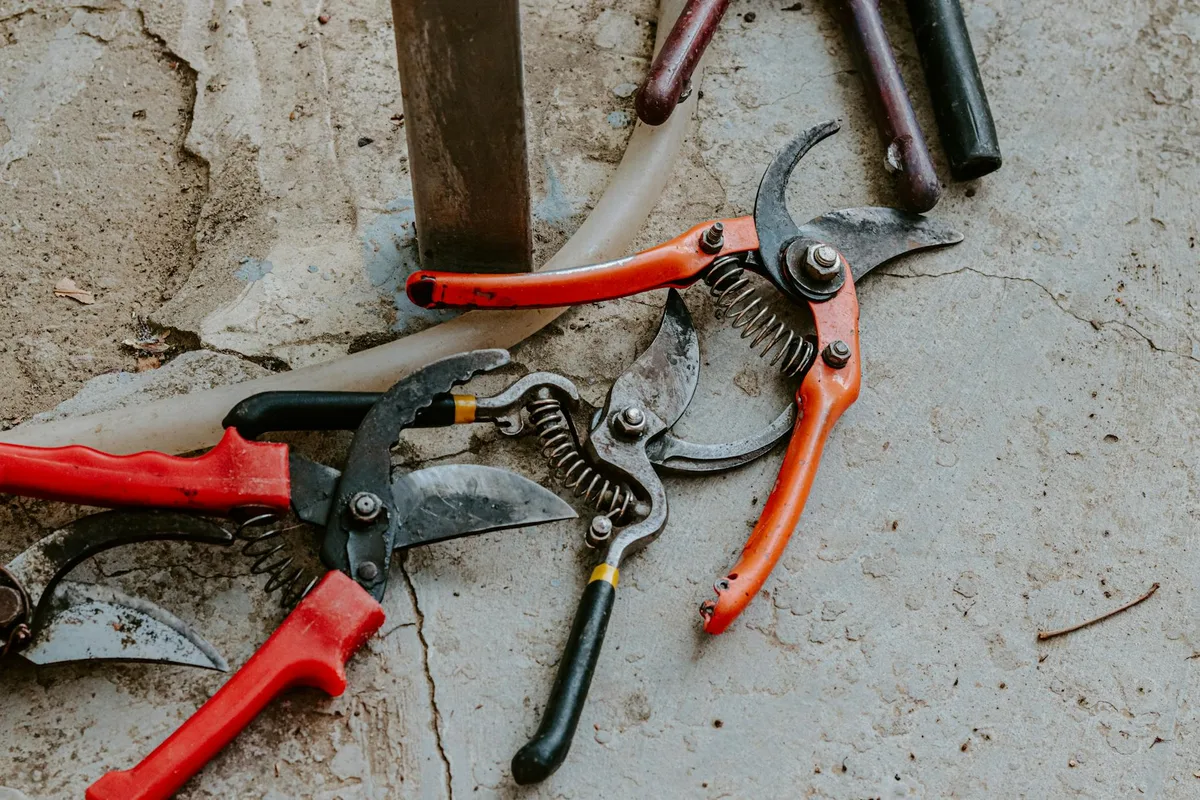
Disinfecting pruning shears isn’t about cleanliness, it’s about stopping invisible pathogens from hopping from one plant to another. If you’re pruning a healthy tomato plant in your backyard and moving to another healthy tomato, you probably don’t need to disinfect. But if you’ve just cut into a branch with blackened leaves or oozing sap, that’s a different story. The goal isn’t obsession, it’s smart risk management.
Think of it like handwashing: you don’t scrub after every handshake, but you do after handling something contagious. Same logic applies here. Our research shows that most home gardeners only need to disinfect when they see clear signs of disease or when moving between unrelated plants in different areas.
The Quick Rule of Thumb
Here’s the simplest way to decide: disinfect if there’s a chance you’re transferring trouble. That means any time you’ve cut into diseased tissue, worked on a known infected plant, or are moving from one garden bed, or property, to another with different plant types. If all your cuts today are on visibly healthy plants of the same species in the same plot, you can likely skip it.
This isn’t guesswork. University extension programs consistently recommend this risk-based approach because blanket disinfection wears down tools and offers diminishing returns. Save the extra step for when it actually matters.
What Makes Pruning Shears Spread Disease
Plant pathogens, bacteria, fungi, and viruses, can survive on metal blades for hours or even days, especially in humid conditions. When you make a cut, sap and plant debris stick to the shears, creating a perfect bridge for these microbes to travel to the next plant. Diseases like fire blight in apples, bacterial leaf scorch in oaks, or tomato mosaic virus spread this way without you ever seeing the culprit.
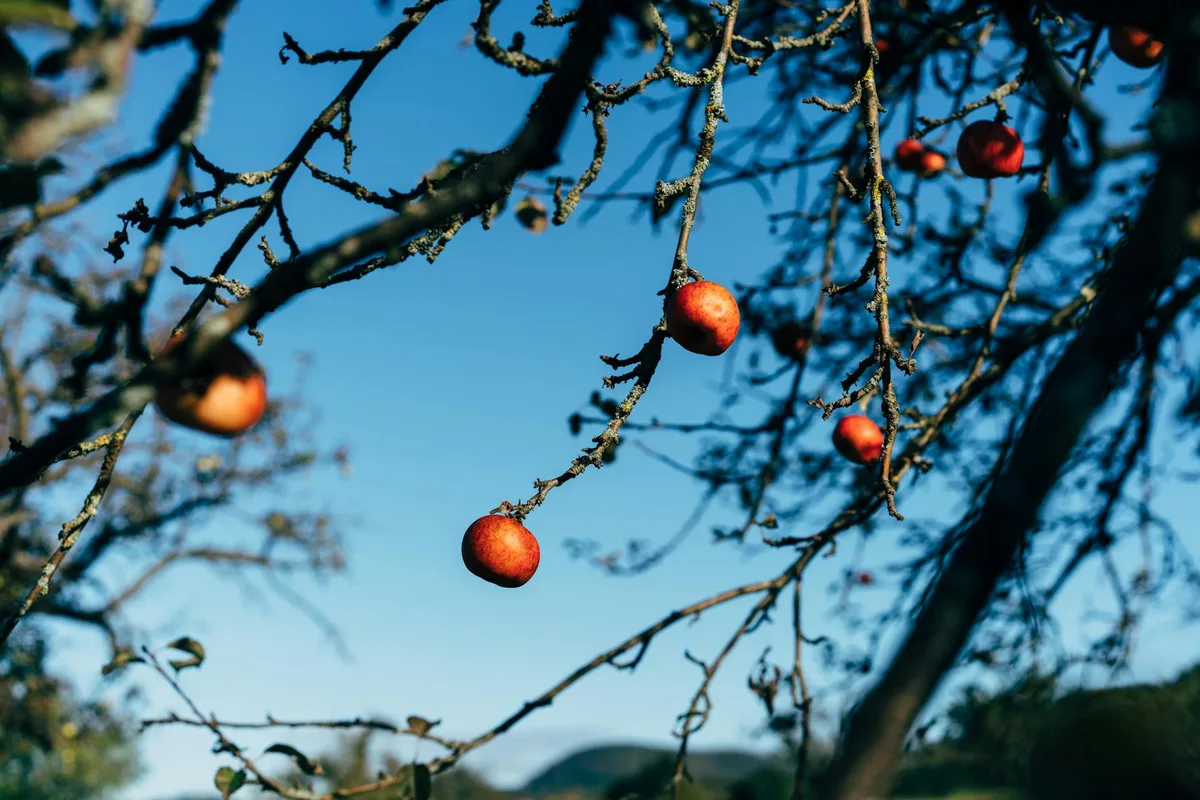
The risk isn’t just theoretical. In commercial orchards, cross-contamination via tools is a documented cause of widespread infection. Even in home gardens, a single infected pruning session can wipe out an entire season’s harvest if you’re not careful.
Key Factors That Change the Answer
Not all pruning jobs carry the same risk. Three main variables determine whether disinfection is necessary: plant health, movement between plants, and plant type.
Are You Pruning Healthy or Diseased Plants?
If every plant you touch looks vibrant, no wilting, discoloration, or unusual spots, you’re in low-risk territory. But if you spot cankers, blackened stems, or powdery residues, assume disease is present and disinfect after each cut. Some pathogens, like those causing Dutch elm disease, are so aggressive that even asymptomatic trees can be carriers.
Are You Moving Between Plants or Gardens?
Working on ten roses in a row? Probably fine without mid-session disinfection. But if you prune a rose bush, then walk over to your apple tree, then head to the vegetable patch, you’ve created multiple opportunities for cross-contamination. Each new plant type or location increases the risk.
What Kind of Plants Are You Working With?
Woody plants like fruit trees and ornamentals are more vulnerable to systemic diseases that spread through vascular tissue. Herbs and annual vegetables are less likely to harbor long-lived pathogens, though exceptions exist (like tomato viruses). When in doubt, treat woody plants as higher risk.
Your Disinfection Decision Tree
Use this simple flowchart to guide your choices:
- Low risk: Pruning multiple healthy plants of the same type in one area → skip disinfection between cuts, but clean tools at day’s end.
- Medium risk: Moving between different plant types or locations, even if all look healthy → disinfect between plants.
- High risk: Cutting into diseased tissue, working in a known outbreak zone, or handling valuable/rare specimens → disinfect after every single cut.
This isn’t about perfection, it’s about matching effort to threat. Over-disinfecting wastes time and damages tools; under-disinfecting risks your entire garden.
Best Disinfectants and How to Use Them
Not all disinfectants are created equal when it comes to pruning shears. You need something that kills pathogens fast without eating through metal or leaving harmful residues. Our research shows three reliable options: 70% isopropyl alcohol, a diluted bleach solution, and commercial horticultural disinfectants like Green Shield.
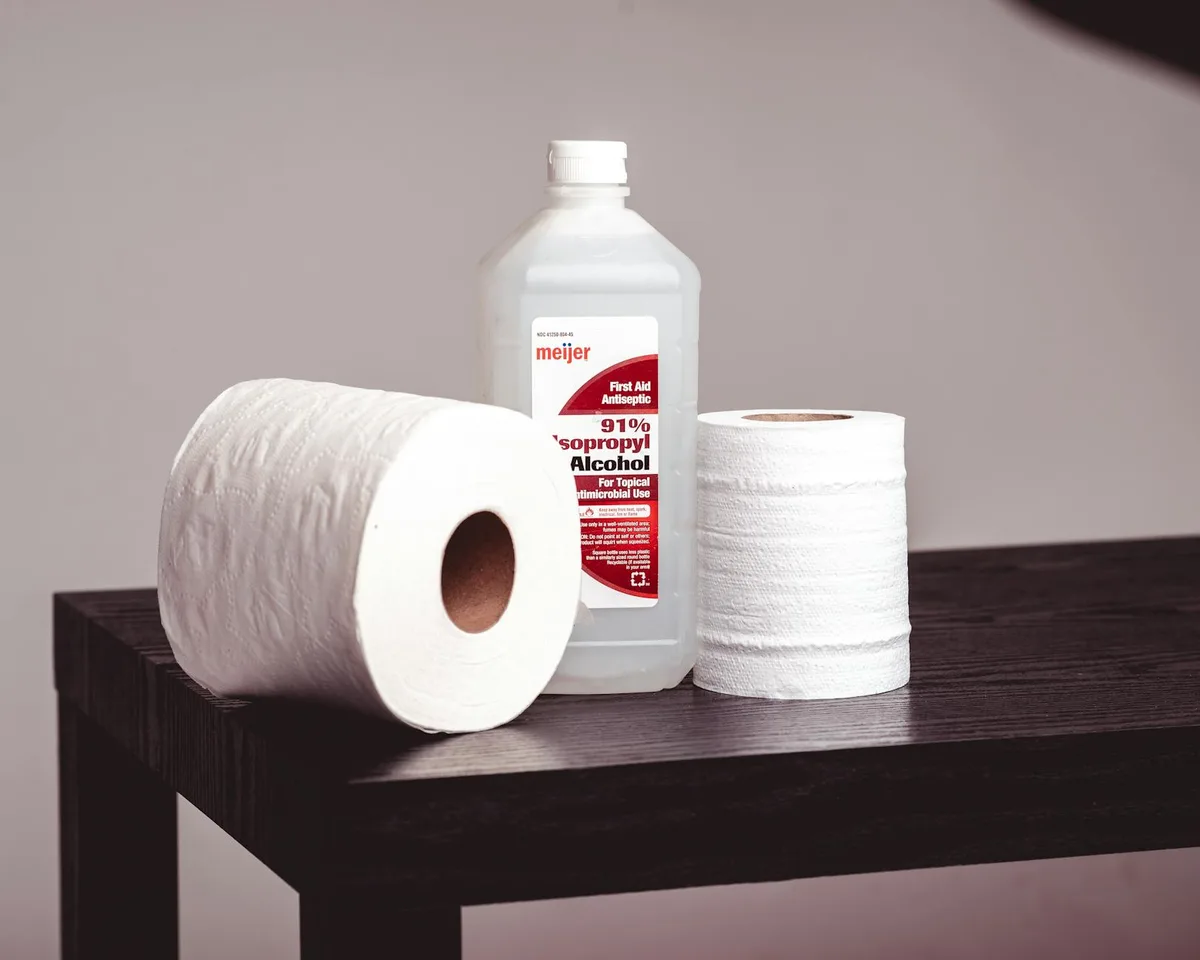
Alcohol evaporates quickly, won’t rust your blades if used properly, and is easy to carry in a spray bottle. Bleach is stronger against certain viruses but can corrode tools and damage plants if not rinsed. Commercial products are formulated for garden use but cost more and may require longer contact time.
Alcohol, Bleach, or Commercial Products—What Works
- 70% isopropyl alcohol: Kills most bacteria and fungi in 30 seconds. Avoid higher concentrations, they evaporate too fast to be effective.
- Bleach solution: Mix 1 part household bleach with 9 parts water (10% solution). Effective against viruses but must be rinsed off tools after use to prevent corrosion.
- Commercial disinfectants: Products like Green Shield are plant-safe and tool-safe but often need 1, 2 minutes of contact time.
Manufacturer specs from Felco warn against soaking metal parts in bleach for more than 5 minutes. Always check labels, some commercial products aren’t approved for food crops.
Proper Mixing, Application, and Contact Time
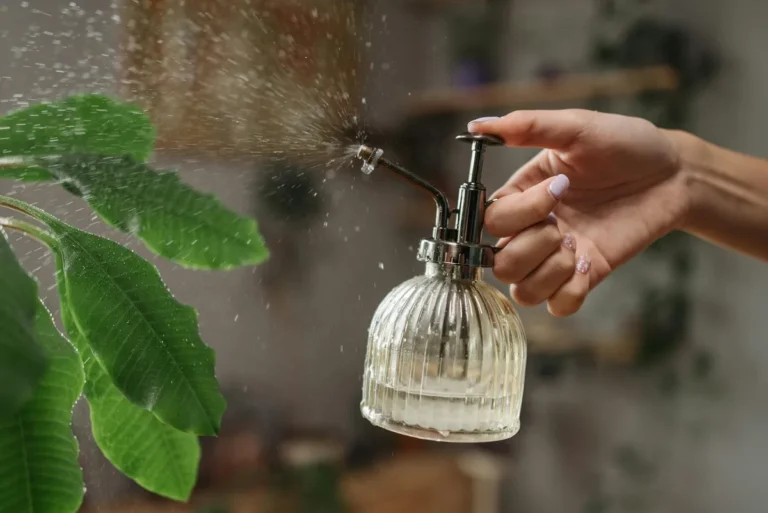
Spray or wipe the solution onto both sides of the blades, making sure to get into the pivot point where sap hides. Let it sit for at least 30 seconds before moving to the next plant. If you’re using bleach, wipe it off with a clean, damp cloth afterward, don’t let it air-dry on the metal.
Keep a small spray bottle in your pruning kit. It takes seconds, and you’ll avoid cross-contamination without fussing over buckets or rags.
Step-by-Step: How to Disinfect Without Damaging Tools or Plants
Disinfecting shouldn’t feel like a chore, it’s a quick habit that pays off. Here’s how to do it right every time:
- Clean first: Brush off visible sap and debris with a stiff brush or cloth. Pathogens love hiding in gunk.
- Apply disinfectant: Spray or wipe both blade surfaces and the joint. Don’t forget the handles if they’ve touched infected material.
- Wait: Give it 30 seconds for alcohol, up to 60 seconds for commercial products.
- Rinse if needed: Only with bleach, wipe with water and dry immediately.
- Dry and oil: Wipe blades dry and apply a light coat of tool oil to prevent rust.
This routine takes under a minute and keeps your shears sharp and your plants safe. Skip the rinse step with alcohol, it’ll evaporate harmlessly.
Common Mistakes That Do More Harm Than Good
Even careful gardeners make errors that reduce effectiveness or damage tools. One big mistake is using undiluted bleach, it’s overkill and will pit your blades over time. Another is wiping with a dirty rag, which just moves pathogens around instead of killing them.
Some folks dip shears directly into a bottle of alcohol, but that contaminates the whole supply. Instead, pour a small amount into a separate cup or use a spray bottle. Also, don’t rely on vinegar, it’s not proven effective against most plant pathogens.
Lastly, don’t disinfect with soap and water. It cleans but doesn’t kill microbes. Save that for end-of-day washing.
When Skipping Disinfection Is Fine (And Why)
You don’t need to disinfect if you’re pruning a row of healthy basil plants or trimming back vigorous raspberry canes with no signs of disease. The risk of transmission is negligible when all plants are vigorous and unrelated pathogens aren’t present.
Our research shows that in low-pressure home gardens, end-of-day cleaning is often enough. Focus your disinfection efforts where they matter: when you see symptoms, switch plant types, or work in high-value areas like orchards or nurseries.
Skipping unnecessary steps saves time and preserves your tools. Just stay alert, conditions can change fast in the garden.